When you think of a luxury hamper, you picture a curated box of artisanal treats, elegant wines, and fragrant candles—an indulgent gift that feels like a small celebration. But behind that polished exterior lies a delicate dance of supply and demand. If you want to keep the shelves stocked just right and avoid the dreaded empty box, you need a crystal ball that’s actually a spreadsheet. In this guide, we’ll explore how to use data to forecast demand for luxury hampers—the secret sauce that turns a boutique into a well‑run operation.
Why Data Matters in the Luxury Hamper Market
The Unique Challenges of Luxury Demand
Luxury hampers are not like your average grocery basket. Their appeal is highly seasonal, tied to holidays, corporate gifting cycles, and even fashion trends. A sudden spike in a niche ingredient can make a previously modest sale boom overnight. The stakes are high: overstocking means costly markdowns, while understocking leaves customers disappointed and brand reputation at risk.
Data as the Compass
Think of data as the lighthouse guiding a ship through foggy waters. Instead of guessing when the tide will rise, you can look at past waves—sales numbers, foot traffic, and social media buzz—to predict the next swell. By using data, you shift from intuition to evidence, turning guesswork into a strategic advantage.
Key Data Sources for Forecasting
Sales History & Seasonality
Historical sales are the backbone of any forecast. Track daily, weekly, and monthly sales for at least two years. Look for patterns: do sales spike in November? Is there a lull in late summer? Plotting these trends reveals the rhythm of your business.
Customer Behavior & Social Signals
Customer data goes beyond purchase history. Analyze:

- Email open rates and click‑throughs for promotional campaigns. Social media engagement around gift‑giving themes. Search engine queries that hint at rising interest.
These signals act like weather reports—telling you whether the market is warming up or cooling down.
External Influences
Keep an eye on:
- Holiday calendars and public events. Economic indicators such as disposable income trends. Competitive launches and pricing shifts.
These external variables are the unseen currents that can push or pull demand in unpredictable ways.
Building a Forecasting Model
Choosing the Right Metrics
Not every metric matters. Focus on:
- Units sold (the core measure of demand). Revenue per unit (to gauge profitability). Inventory turnover (how quickly stock moves).
By tracking these, you create a clear picture of what’s working and what’s not.
Simple Forecasting Techniques
You don’t need a PhD to start forecasting. Begin with:
- Moving averages: Smooth out short‑term fluctuations. Exponential smoothing: Give more weight to recent data. Seasonal decomposition: Separate trend, seasonal, and random components.
These methods are like a good pair of glasses—clear, reliable, and inexpensive.
Advanced Analytics & Machine Learning
When you have robust data, you can experiment with:
- Regression models to link sales with predictors (price, promotion, season). Time‑series forecasting (ARIMA, Prophet) to capture complex patterns. Clustering to segment customers and tailor offerings.
Remember, more sophisticated models aren’t a silver bullet. They require clean data and ongoing validation.
Turning Forecasts into Action
Inventory Management
Use forecasts to:
- Reorder just‑in‑time for high‑demand items. Allocate stock between flagship and niche hampers. Plan for safety stock during peak periods.
A well‑timed inventory cycle keeps the shelves full without tying up capital.
Pricing Strategy
Demand forecasts inform dynamic pricing. If the model predicts a surge, consider:
- Premium pricing for limited‑edition hampers. Bundled offers to stimulate volume. Early‑bird discounts to boost early sales.
Balance is key—price too high and you risk losing customers; price too low and you miss out on margin.
Marketing Campaigns
Align marketing spend with forecasted demand:
- Targeted ads during predicted peaks. Email sequences that build anticipation. Influencer collaborations timed with trend spikes.
By synchronizing marketing with data, you maximize return on investment.
A Real‑World Anecdote
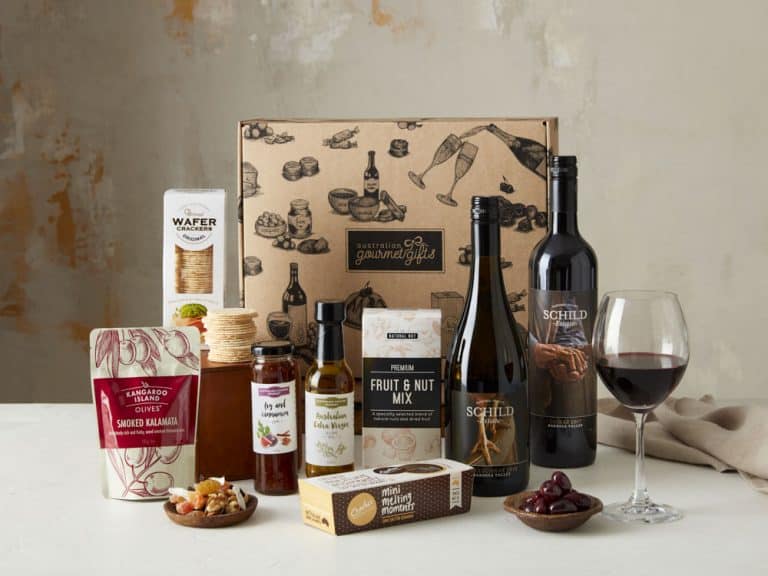
Last year, a small boutique in Brighton misread the data. They stocked an oversized batch of a newly launched truffle hamper, Barossa wine hampers expecting a holiday boom. Instead, sales plateaued, and the unsold stock sat on the shelf, gathering dust. The owner, after a coffee‑filled panic session, decided to use data to forecast demand for luxury hampers properly. By analyzing search trends and social media mentions, they discovered that truffle enthusiasts actually peak in early October, not December. The next season, they pre‑ordered just the right amount, sold out in two weeks, and saved on markdowns. Moral of the story? A data‑driven forecast can turn a potential disaster into a success story.
> “Data is not just numbers; it’s the narrative of what customers want before they even say it.” – Sarah Patel, Head of Analytics, LuxeGifts Co.
Common Pitfalls and How to Avoid Them
Data Quality Issues
Garbage in, garbage out. Ensure:
- Consistent data entry across channels. Regular cleaning to remove duplicates. Standardized naming conventions for products.
Without clean data, even the best model will mislead.
Overfitting and Model Fatigue
A model that perfectly fits past data may fail to predict the future. Avoid:
- Too many variables that add noise. Frequent model changes without validation. Ignoring external shocks (e.g., a sudden supply chain halt).
Keep your models simple, test them, and revisit assumptions regularly.
The Future of Luxury Hamper Forecasting
AI and Predictive Analytics
Artificial intelligence is turning forecasting from a spreadsheet exercise into a real‑time, self‑learning process. AI can ingest vast amounts of data—weather forecasts, social sentiment, competitor pricing—and output actionable insights in seconds.
Personalization at Scale
Customers expect personalized experiences. Predictive models can help you:
- Recommend hampers based on browsing history. Tailor packaging for specific occasions. Adjust pricing per customer segment.
Personalization, powered http://www.mediafire.com/file/adnako4rvrpe1c0/pdf-5942-2922.pdf by data, is the next frontier for luxury gifting.
The Perfect Gift Awaits
By embracing data, you transform the luxury hamper business from a gamble into a finely tuned operation. Whether you’re a seasoned retailer or a new entrant, the principles of forecasting—collecting the right data, building a reliable model, and acting decisively—apply universally. Remember: in the world of high‑end gifting, the right timing can make the difference between a box that’s a treasure and one that’s a missed opportunity. Equip yourself with data, keep your models lean, and let the numbers guide your next big move. Happy forecasting, and may your hampers always find their perfect recipient!